


What if keeping your skin hydrated depends on more than just adding moisture?
Every day, your skin protects you from external stressors while helping retain moisture. At the center of this protective system are ceramides, essential fats that help keep the skin’s outer layer strong, smooth, and healthy.
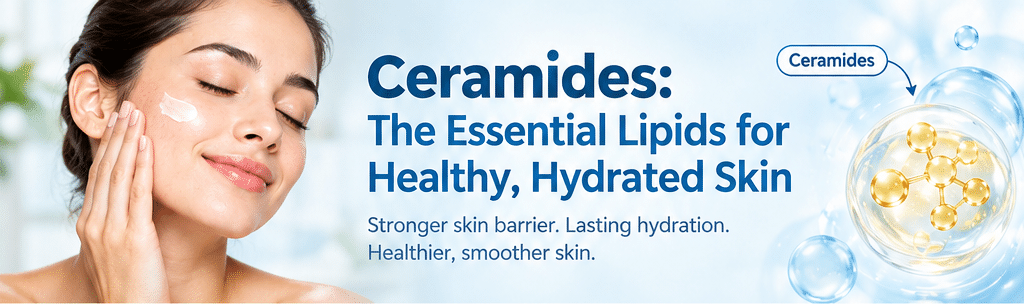
When this protective layer is working well, the skin can retain moisture and better withstand everyday stress. When it is weakened, dryness, tightness, roughness, and sensitivity may appear.
Ceramides: The Natural Fats That Protect Your Skin
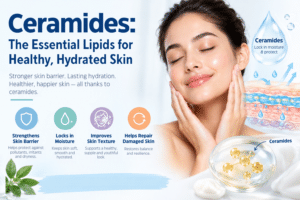
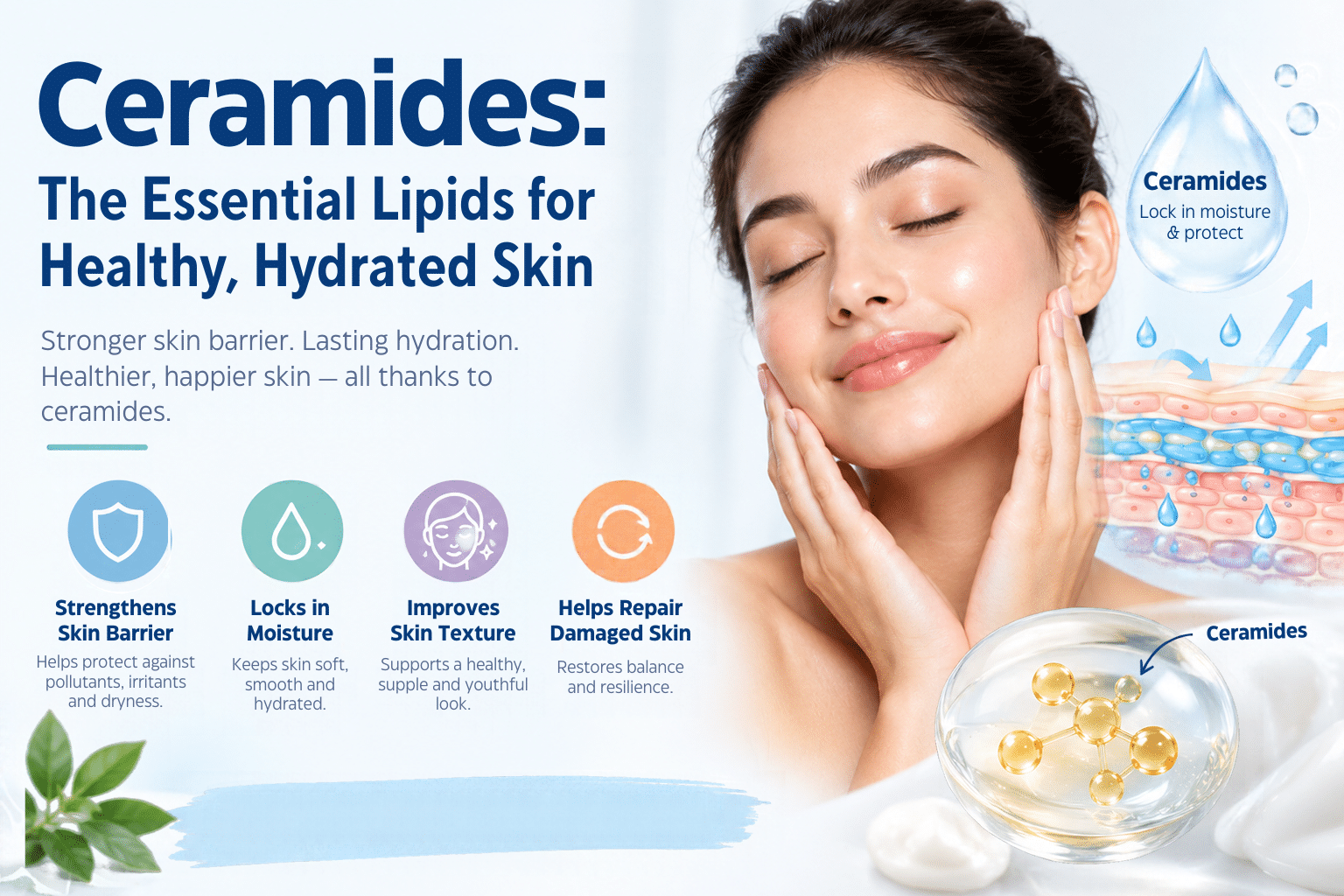
Ceramides are fats found mainly in the outermost layer of the skin. Together with cholesterol and fatty acids, they form a protective layer between skin cells. Ceramides account for approximately 50% of the fats in the outer skin layer.
This organized structure helps reduce moisture loss, keeping the skin hydrated and helping protect it from external irritants.
What Can Affect Ceramide Levels?
Ceramide levels and the skin’s protective function can be influenced by several factors. Ageing is associated with changes in the skin’s natural fats, while cold, dry weather and low humidity can put additional stress on the skin. Reduced ceramide levels have also been reported in people with atopic dermatitis, a condition associated with dry, itchy, and inflamed skin. Harsh cleansing, excessive exfoliation, and environmental stressors may further disturb the skin’s natural protective layer.
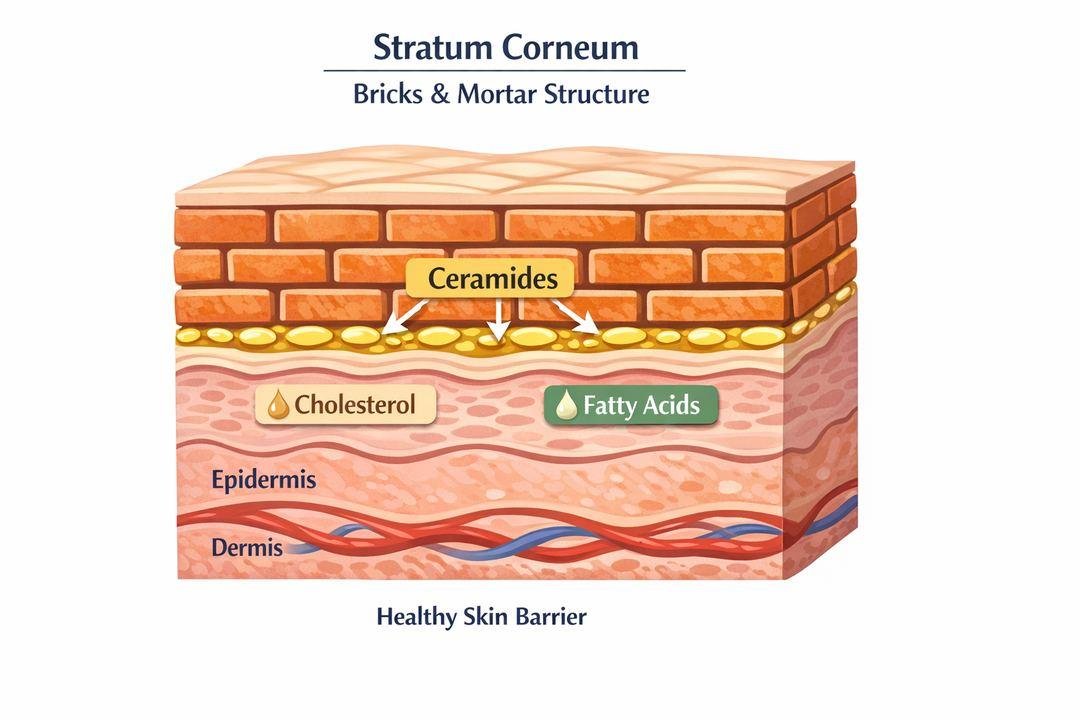
When the Skin’s Protection is Weakened
When the skin’s natural protection is weakened, moisture can escape, leaving the skin dry and sensitive. Common signs include roughness, tightness, flaking, itching, redness, and stinging.
How Can Ceramides Be Supported?
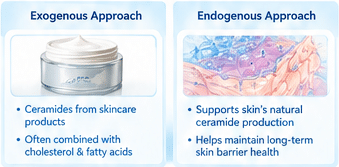
There are two broad approaches to ceramide-focused skincare.
Exogenous ceramides are supplied through skincare products applied directly to the skin. These formulations may also contain cholesterol and fatty acids to help replenish the skin’s natural protective fats.
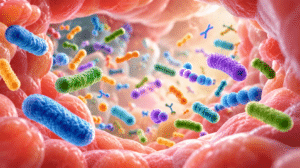
Endogenous approaches focus on the skin’s own ceramide-producing processes rather than simply adding ceramides from the outside, this approach explores ways to support the skin’s natural ability to produce them.
For example, CeraBEST® is a dermatological moisturizer powered by DermaACB®, a probiotic-derived postbiotic metabolite. This approach focuses on supporting the skin’s natural ceramide-producing process to help maintain its protective outer layer.
Ceramides Do Not Work Alone
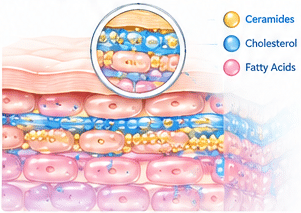
Ceramides work together with cholesterol and fatty acids to maintain the structure of the skin’s outer layer. Their combined action helps the skin retain moisture and stay protected. Effective skincare therefore depends not only on ceramides themselves, but also on how they are formulated and combined with other skin-supporting ingredients.
Why Ceramides Matter
Ceramides are more than just an ingredient in skincare products. They are naturally present in the skin and play an important role in keeping it hydrated, smooth, and protected.
Ultimately, effective skincare goes beyond simply replacing lost fats—it is about supporting the skin’s natural ability to stay healthy and hydrated. CeraBEST® powered by proprietary Derma ACB® technology, takes a differentiated approach by supporting the skin’s natural ceramide generation, helping maintain a healthy skin barrier and supporting hydrated, healthy-looking skin.